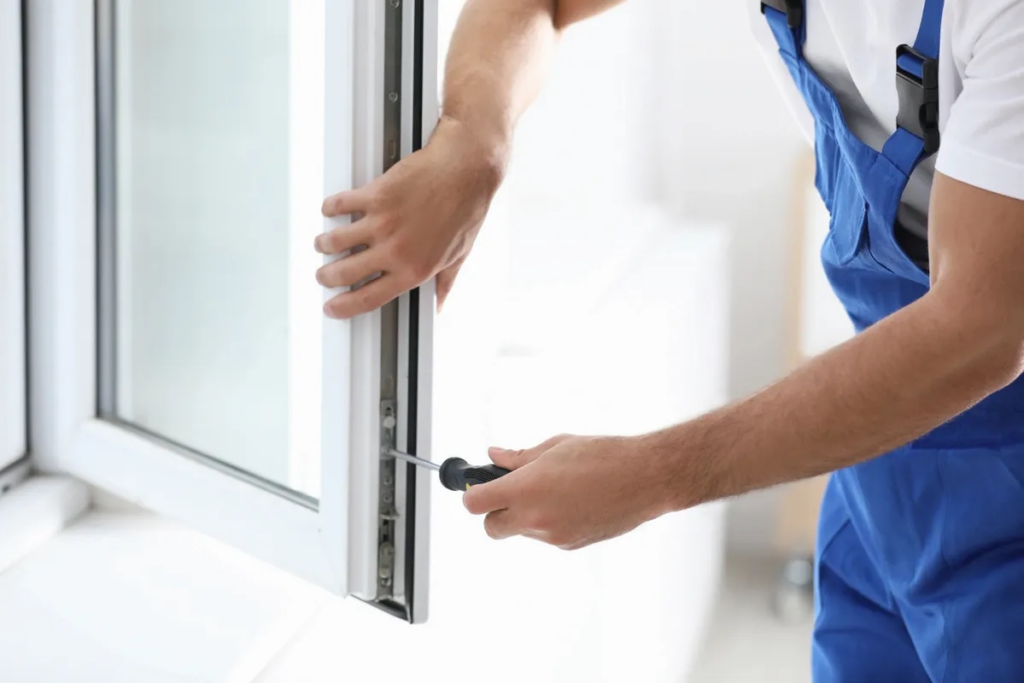
Energy-Efficient Window Repair: Enhancing Home Comfort and Reducing Utility Bills
In the mission for a more sustainable and comfortable living environment, house owners frequently overlook the significance of energy-efficient window repair. Windows play an essential function in managing indoor temperature levels and preserving the energy efficiency of a home. In time, nevertheless, they can develop issues that compromise their efficiency, causing higher energy expenses and reduced convenience. This short article explores the importance of energy-efficient window repair, the common issues that emerge, and the steps house owners can take to attend to these problems effectively.
The Importance of Energy-Efficient Windows
Windows are more than just openings that permit light and fresh air into a home. They are essential elements of a building's thermal envelope, which assists to keep a consistent indoor temperature level. repairmywindowsanddoors.co.uk -efficient windows are developed to minimize heat transfer, decrease drafts, and prevent air leakage, ultimately resulting in lower cooling and heating expenses. According to the U.S. Department of Energy, windows can represent 25% to 30% of property heat loss and gain. For that reason, guaranteeing that windows remain in great condition is vital for maintaining a home's energy performance.
Common Window Problems and Their Impact on Energy Efficiency
Before diving into the repair procedure, it's essential to determine the typical problems that can affect window performance. Here are some of the most regular concerns:
Drafts and Air Leaks:
- Causes: Cracks, gaps, or damaged weatherstripping.
- Impact: Drafts can considerably increase heating & cooling costs by permitting conditioned air to escape and unconditioned air to go into.
Broken Seals:
- Causes: Aging, direct exposure to extreme temperature levels, or physical damage.
- Effect: Broken seals in double- or triple-pane windows can lead to fogging and minimize insulation properties.
Worn-Out or Damaged Frames:
- Causes: Moisture damage, termite invasion, or general wear and tear.
- Impact: Damaged frames can trigger air leakages and make it challenging to open or close windows, resulting in increased energy usage.
Faulty Hardware:
- Causes: Rust, deterioration, or mechanical failure.
- Impact: Malfunctioning hardware can avoid windows from closing effectively, causing air leakages and minimizing energy performance.
Cracked or Broken Glass:
- Causes: Physical effect or thermal stress.
- Impact: Broken glass not only postures a security threat however also permits considerable heat loss or gain.
Actions for Energy-Efficient Window Repair
Repairing energy-efficient windows can be a straightforward process if you follow these actions:
Identify the Problem:
- Conduct a comprehensive examination of all windows to recognize any concerns such as drafts, fogging, or damaged frames.
- Utilize a candle or incense stay with detect air leakages by moving it around the window frame and keeping in mind where the flame flickers.
Seal Air Leaks:
- Weatherstripping: Apply weatherstripping around the window frame to seal gaps and prevent air leaks. Typical types consist of foam, rubber, and vinyl.
- Caulking: Use a premium, weather-resistant caulk to seal spaces between the window frame and the wall.
- Insulating Films: Install insulating movies on the window glass to lower heat transfer and enhance energy effectiveness.
Replace Broken Seals:
- Diagnosis: If you see condensation or fogging in between the panes of double- or triple-pane windows, the seal is likely broken.
- Repairs: In some cases, the seal can be fixed by reapplying a sealant. Nevertheless, if the damage is substantial, it might be required to replace the entire window unit.
Repair or Replace Damaged Frames:
- Assessment: Check for indications of wetness damage, rot, or termite infestation. If the damage is minor, you can often repair the frame.
- Repair: Sand down any rough locations, use a wood filler, and repaint or stain the frame.
- Replacement: For serious damage, consider changing the entire window frame. Modern products such as vinyl, fiberglass, and composite deal excellent resilience and energy performance.
Service Window Hardware:
- Lubrication: Clean and oil the window hinges and locks to ensure they run efficiently.
- Replacement: If hardware is beyond repair, replace it with new, energy-efficient components.
Replace Cracked or Broken Glass:
- Safety First: Wear protective gloves and safety glasses when managing broken glass.
- Expert Help: For intricate repairs, think about working with an expert to replace the glass and guarantee it is properly sealed.
Benefits of Energy-Efficient Window Repair
Minimized Energy Bills:
- By sealing air leaks and improving insulation, energy-efficient window repair can considerably reduce heating and cooling costs.
Increased Comfort:
- Properly repaired windows help keep a consistent indoor temperature, improving total comfort.
Improved Durability:
- Regular maintenance and timely repairs can extend the life-span of your windows, decreasing the need for frequent replacements.
Environmental Impact:
- Energy-efficient windows contribute to a more sustainable home by minimizing the demand for energy and lowering carbon emissions.
DIY vs. Professional Repair
While some window repairs can be managed as DIY projects, others might require expert assistance. Here's a breakdown to help you choose:
DIY Repairs:
- Sealing Air Leaks: Applying weatherstripping and caulking.
- Maintenance Hardware: Cleaning and oiling hinges and locks.
- Minor Frame Repairs: Sanding and painting.
Professional Repairs:
- Replacing Broken Seals: This typically requires customized tools and knowledge.
- Changing Damaged Frames: Professional installation guarantees an ideal fit and appropriate sealing.
- Replacing Glass: Safety issues and the need for accurate measurements make this a task best left to specialists.
Regularly Asked Questions (FAQs)
How do I understand if my windows need repair?
- Common indications consist of drafts, fogging, problem in opening or closing, and noticeable damage to the frame or glass.
What is the most typical reason for window leaks?
- Worn-out weatherstripping and gaps in the caulking are the most regular causes of air leaks around windows.
Can I repair a broken seal myself?
- Sometimes, you can reapply a sealant, however for comprehensive damage, it is suggested to consult an expert.
What materials are best for energy-efficient windows?
- Vinyl, fiberglass, and composite products use excellent toughness and energy performance.
How typically should I inspect my windows?
- It is recommended to check windows a minimum of as soon as a year, preferably before the onset of the heating or cooling season.
Are energy-efficient window repairs cost-effective?
- Yes, the preliminary expense of repairs can be offset by long-lasting savings on energy bills and increased residential or commercial property value.
Energy-efficient window repair is a vital aspect of home maintenance that can result in substantial advantages, consisting of minimized energy bills, increased comfort, and a more sustainable living environment. By following the steps laid out in this post and addressing typical window problems promptly, homeowners can guarantee that their windows continue to perform at their finest. Whether you choose to deal with repairs yourself or employ a professional, the financial investment in energy-efficient window repair is well worth the effort.
Extra Resources
For more detailed information on energy-efficient window repair, consider the list below resources:
- U.S. Department of Energy: Energy Efficiency and Renewable Energy
- Consumer Reports: Window Buying Guide
- Home Depot: Window Repair Tips
By taking a proactive approach to window repair, homeowners can delight in a more comfortable and energy-efficient home for many years to come.